
AI Meets Cinema: What Google Veo 3 and Flow Bring to the Filmmaking Table
Having ideas for video creation and storytelling? Don’t worry! Google just handed you a camera that thinks.
Google I/O 2025 dropped a storm of AI updates on May 20, but one launch in particular had every creative’s jaw on the floor: Veo 3 and Flow. These are not just video tools, but your creative filmmaking partner. Several filmmakers, YouTubers, and visual storytellers didn’t know about these creative Generative AI models yet.
Whether you’re stuck with half-finished scripts, struggling to animate your vision, or just tired of spending weeks on post-production, Google’s new duo, Veo 3 and Flow, changes everything. From script to screen, you’re looking at cinematic-level video creation with almost zero manual effort.
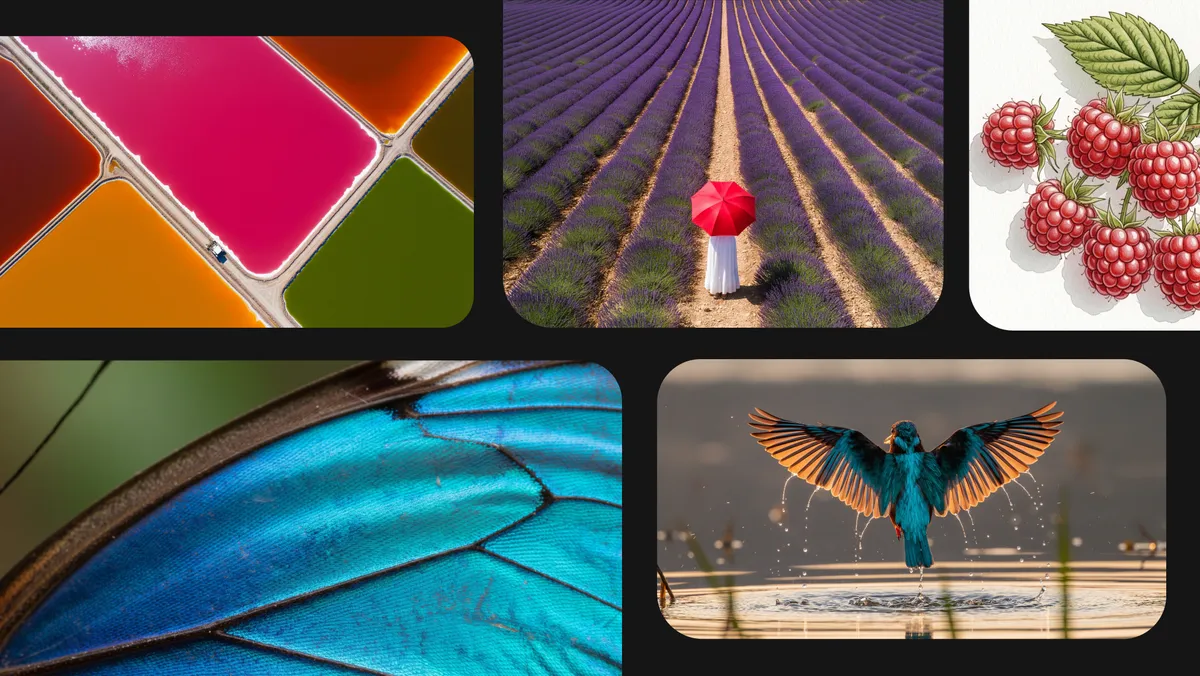
Let’s break down how it works and why this could be the biggest shift in filmmaking since Final Cut Pro.
What is Google’s Veo 3: Advanced AI Video Generation Model?
Veo 3 is Google's advanced “text-to-video” tool built on generative AI. This model can convert natural language into cinematic-quality video content, with a strong grip of storytelling, scene depth, and motion. Unlike its earlier models, which lacked emotional and narrative depth, Veo 3 captures human intention with clarity and bridges the gap between textual imagination and visual execution.
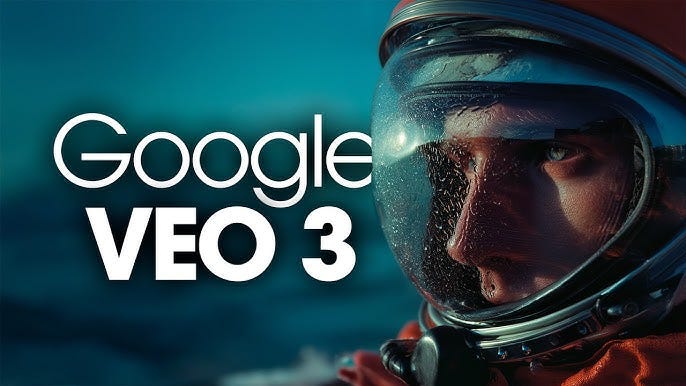
Imagine describing a rainy evening at a cozy café. Veo 3 brings an engaging and creative video with realistic lighting, movement, and mood. It transforms text (prompt) into storytelling.
Audio Generation : Veo 3 turns plain scripts into interactive soundscapes. This tool doesn’t just add background noise but assigns tone, pitch, and atmosphere with cinematic rhythm. Each sound feels like it belongs to you.
Dialogue Creation : Conversations in Veo 3 sound natural and emotionally charged. Every line matches with facial expressions, character moods, and timing. Voices provide realism in both dramatic and casual scenes.
Cinematic Quality : Every frame in Veo 3 depicts a professional film shot. This model balances lighting, contrast, color grading, and angles like a cinematographer. You can attain complete visual storytelling power.
Prompt Understanding : Google’s Veo 3 reads context like a seasoned director. It interprets mood, genre, and verbs like “run” or “whisper” with cinematic context. You just input a vague prompt, and get a scene with emotion, atmosphere, and action in harmony.
Character Animation : This tool adds natural gestures, postures, and facial reactions to characters. These movements follow human logic and create animated performances naturally that don’t feel robotic or staged.
Camera Motion : From slow pans to dramatic zooms, Veo 3 introduces dynamic camera moves based on the described scene. It creates an interesting viewing experience with every shot. Veo 3 directs like it knows what the moment means.
Scene Realism : Lighting, perspective, weather, and shadows, this AI model integrates these elements with precision. Its attention to physical logic makes every frame believable, even when the setting is entirely imaginary.
Flow: Google's AI-Powered Filmmaking Tool
Flow is an interactive AI suite by Google that builds entire visual narratives step-by-step. This AI filmmaker is designed for directors, editors, and visual thinkers, and manages every detail from concept to final cut and shot. It works like a creative partner who understands the needs of filmmakers and helps them stay focused on storytelling. This approach allows artists to explore their vision fully without getting lost in technical details.
It works like a personal travel guide when planning a complex trip to a new city. Instead of struggling to organize every detail yourself, you can use this guide to discover the best routes, book tickets, and decide what to see.
Prompt-Based Creation : You can describe a scene, dialogue, and script in natural language to turn it into visuals. Each line you write shapes characters, mood, and pacing. This makes storytelling easier and more visual from the start.
Scene Builder : Its drag-and-drop feature lets users arrange scenes into a timeline. This Gen AI tool updates environments, actors, and angles instantly and helps you create the story your way while watching it evolve in real time.
Camera Control : Users can set shot types, close-up, wide angle, and aerial through simple instructions. Flow translates their choices into cinematic movement and makes every scene look professional without any equipment.
Character Consistency : Another exciting feature is, it remembers your characters’ appearance, voice, and movement across every scene. You avoid continuity errors easily. This helps your story stay clear, even during long or complex edits.
Sound Editing : Its built-in tools offer balanced, clean audio without manual sound work. This AI model aligns voice, adds effects, and levels volume automatically. Every scene sounds as sharp as it looks, from start to finish.
Asset Management : Flow supports one smart dashboard to organize and store your files. You can access clips, effects, and elements anytime to save time, reduce clutter, and keep your entire project running smoothly.
Flow TV : This feature helps preview scenes on different display formats: mobile, widescreen, or vertical layouts, so creators can adjust before publishing across platforms and catch visual issues early.
Model Integration : It combines Veo 3 (video), Imagen 4 (image), and Gemini (language) for a multi-modal creative stack. This fusion lets creators move from concept to visual with unmatched flexibility.
How Veo 3 + Flow Takes the Lead in Filmmaking Transformation
Veo 3 and Flow lead filmmaking transformation through powerful AI tools and intuitive design. These platforms offer creators faster video production without sacrificing quality. The result combines cost efficiency and creative freedom, opening new doors for storytellers at every level.
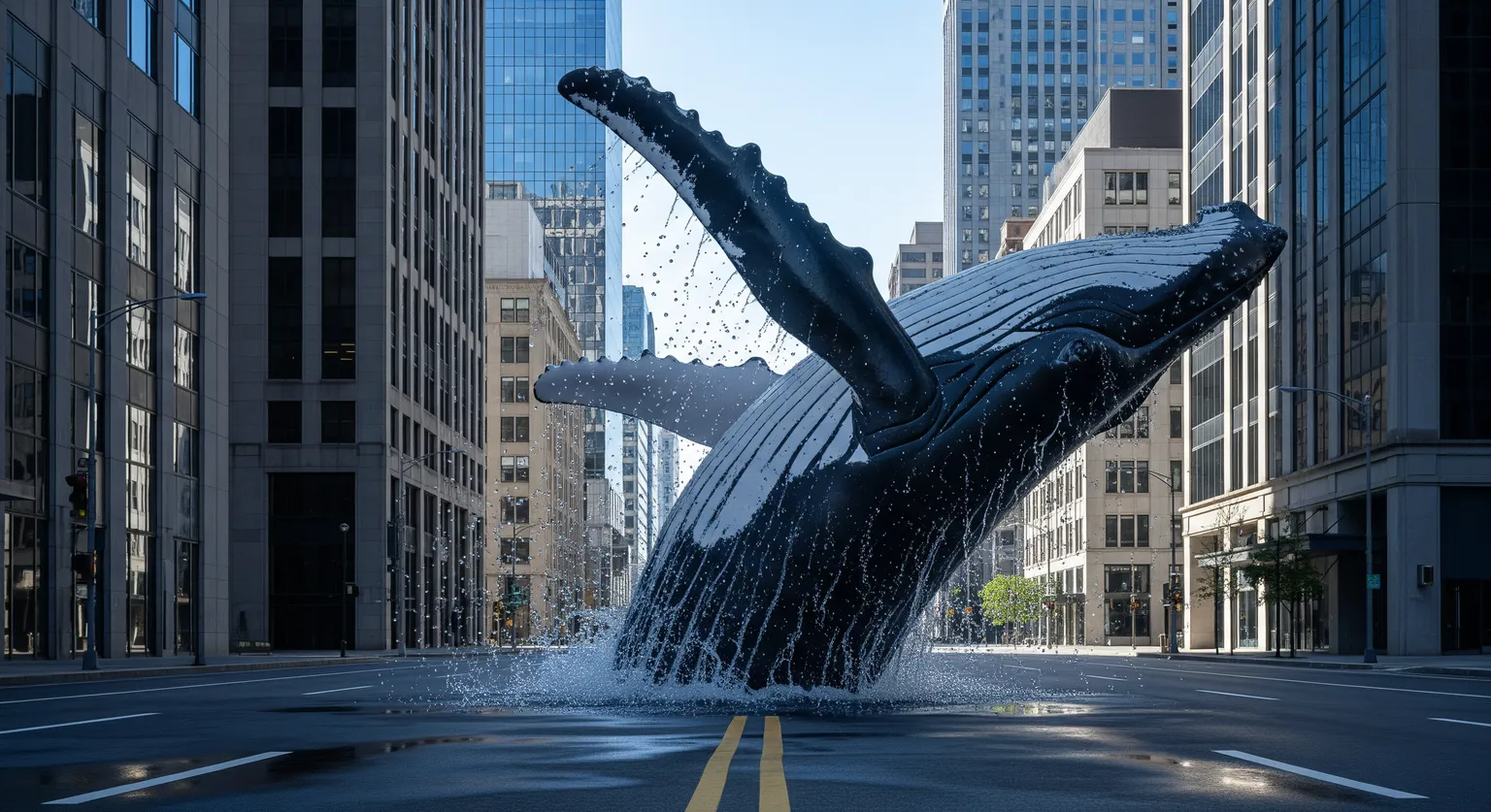
Startups : Early-stage brands often face tight timelines and limited budgets, which create roadblocks in video production. Veo 3 and Flow remove those barriers with tools and build promo videos, product explainers, or ads without hiring full teams or compromising on creativity. What once took weeks now happens in hours with these Gen AI tools.
Marketers : Marketing teams depend on speed and consistency to deliver across channels. With Flow’s format-ready outputs, campaigns can shift smoothly between social media, digital ads, and websites. Every scene aligns with brand-focused storytelling, provides quick scene creation, and ensures a unified message across platforms.
Video Editors : Traditional editing often gets slowed down by repetitive tasks. Veo 3 introduces tools that handle color balance, audio matching, and visual transitions with precision. Editors gain more control over narrative flow without technical constraints. As a result, the final product reflects creative vision.
Photographers & Designers : Design portfolios grow stronger when still visuals gain movement and depth. Google’s Flow transforms images into video-ready content with cinematic templates built for professionals. Designers can now present work in motion and deliver a richer and more interactive experience.
Social Media Creators : AI tools provide speed and flexibility to stay ahead of trends. Veo 3 and Flow help creators match the pace of online trends. With instant video drafts and platform-ready formats, content creation becomes easy for Instagram, YouTube, TikTok, and more. It allows creators to stay visible and enjoy the next viral wave.
How Do These Generative AI Tools Actually Work?
Veo 3 and Flow work in seamless sync to remove every friction point in filmmaking. From storyboarding → scripting → shooting → editing → exporting, the process becomes AI-driven, instant, and collaborative. One platform leads with vision; the other builds it shot by shot. Together, they think faster than traditional workflows.
Storyboarding : The initial step is to type or speak a creative idea or script into the platform. Whether it is “a city skyline at night” or “kids playing in the rain,” Veo 3 and Flow instantly understand and visualize the storytelling direction through natural and everyday language prompts.
Scripting : Once the core idea is in place and a prompt is given, users can select cinematic styles, camera movements, and environment settings. This step controls the mood, perspective, and scene details, just like a traditional script outlines how a scene should look and feel.
Shooting : Flow and Veo 3 generate high-quality scenes with synchronized visuals and ambient audio. Every detail from background sounds to lighting and character animation is auto-produced using generative AI, which saves hours of manual shooting or rendering. This forms the core of the final video composition.
Editing : Users can add, trim, rearrange, or enhance clips using Flow’s intuitive editor. These tools handle soundtracks, dialogue, character continuity, and camera cuts inside the platform, with no separate software required. Editing becomes more about directing AI than dragging timelines.
Export : Final videos are rendered in high resolution and can be downloaded or shared instantly. Flow also supports batch exports and platform-ready formats (YouTube, Instagram, websites), from cinematic widescreen to vertical reels, and makes it simple to publish across channels without post-production workflows.
Closing Remarks
Google Veo 3 and Flow change filmmaking in ways many could only imagine before. Now, users finally have a tool that understands their vision and brings it to life without endless hassle. For creators juggling ideas and technical steps, this feels like a breath of fresh air. These tools make high-quality video creation and video editing accessible, save time, and keep creativity alive. Just think about how much easier it becomes to turn a simple script into a stunning story that connects with audiences. As these technologies grow, storytellers everywhere gain new freedom to experiment and express. These tools replace outdated, time-heavy workflows with fast, flexible, and cinematic creation.
Planning this work? Start with the blockchain cost guide.
As Chief Technology Officer at LBM Solutions, Manjit Parmar oversees technical strategy, infrastructure, and product development. His expertise in Blockchain and AI enables the creation of secure, data-driven, and scalable systems aligned with business growth and innovation.
Keep reading
SaaS vs AaaS: A Complete Breakdown of Both Models in 2026
Learn the difference between SaaS and AaaS, how AI agents work, and why businesses are shifting toward autonomous software systems.
The Real Guide to AI Real Estate App Development (2026)
Plan your AI real estate app in 2026, features, cost, tech stack & tips to find the right AI real estate app development company.
How Stablecoins Are Replacing Traditional Bank Accounts in 2026
Learn about How Stablecoins Are Replacing Traditional Bank Accounts in 2026. This comprehensive guide covers everything you need to know for beginners.
Build it with engineers.
Production agent systems with evaluation and observability from day one.